
Understanding mountain weather before setting out
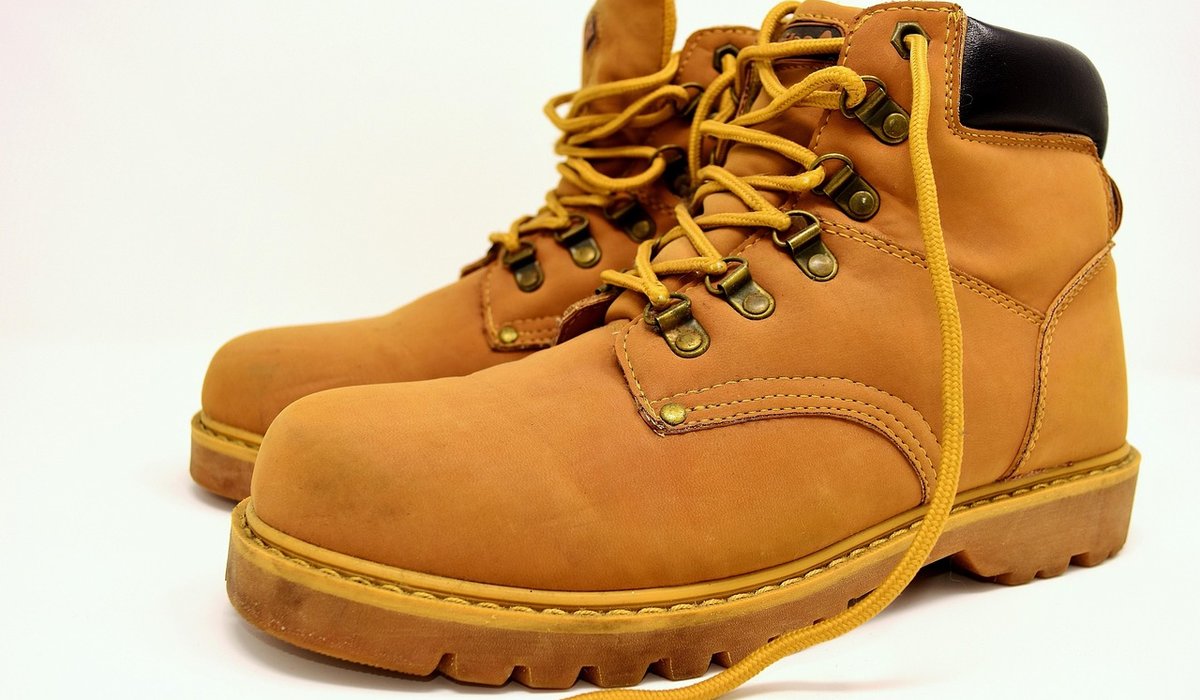
Why wet feet ruin a fell day
Few things end a day on the fells quicker than cold, sodden feet. Once your socks are soaked, your skin softens, friction rises and blisters appear out of nowhere. Damp feet also lose heat fast, and on an exposed ridge in a stiff northerly that chill spreads quickly through the whole body. The irony is that most boots fail for boring reasons rather than dramatic ones: water creeps in over the cuff, through a saturated outer fabric, or around a tongue that never quite seals.
It helps to think about waterproofing as a system rather than a single feature. The upper, the membrane, the tongue, the cuff, the seams and the way you lace the whole thing together all play a part. Get one of those wrong and the others cannot compensate.
Membranes, leather and how boots really keep water out
Most UK fell boots fall into two broad families. The first uses a waterproof and breathable membrane sandwiched inside a nubuck, split-leather or synthetic upper. These are lighter, need less maintenance and generally dry faster after a soaking. The catch is that the membrane sits behind the outer fabric, so once that outer is saturated — which happens fast on wet grass and peat — breathability drops away and your feet feel clammy even though no water has got in.
The second family is full-grain leather treated with wax or oil. Heavier, stiffer and slower to break in, but wonderfully effective at shedding water, and you can reproof it again and again over years rather than seasons. For long, wet days across the Lakeland fells or the Welsh hills, a well-waxed leather boot has a reassuring predictability about it.
Whatever the upper, check the details. A fully gusseted tongue that connects to the upper up to the top of the lacing is essential — a half-gusset lets water funnel straight in. Look at the seams: fewer is better. And on the inside, taped or sealed seams around the membrane tell you the manufacturer has taken it seriously.
Fit, volume and the sock question
Fit beats waterproofing every time. A boot that rubs will wreck your feet whether or not it keeps the weather out. Aim for a snug heel hold with no lift greater than a centimetre, toes that just clear the front when you stand, and enough width that your foot is not pinched across the ball. Boot lasts vary enormously — some generous and rounded, others narrow and tapered — so try several pairs rather than settling for the first reasonable fit.
- Try boots on in the afternoon, when feet are slightly swollen, wearing the socks you actually walk in.
- Test on a downward slope or the edge of a step to check your toes do not jam the front.
- Three-season walking usually needs one pair of midweight merino socks; reserve a liner plus thick sock combination for proper winter days.
- Remember that an over-thick sock can reduce circulation and make feet colder, not warmer.
Lacing matters too. A heel-lock or two-zone lacing system lets you anchor the heel while keeping the forefoot relaxed — invaluable when you are descending wet rock for an hour.
Soles, stiffness and grip on wet rock and peat
Fell terrain is a mix of greasy slate, slick limestone, wet gritstone, loose scree and deep peat. Grip comes from two things: a lug pattern deep enough to clear mud, and a rubber compound soft enough to bite on wet rock. Very hard, long-wearing rubbers tend to skate on wet stone, and all rubber hardens with age and cold. If your boots are five years old and feel skittish, they probably are.
Look for lugs of around four to five millimetres, a defined heel brake for descents, and a rubber rand or toe bumper to protect the upper from scree. On stiffness, most UK fell walking suits a moderately stiff boot with a shank under the midfoot — enough support to carry a pack over rough ground without feeling like a plank. Save the fully rigid, crampon-compatible builds for winter conditions and steep snow.
Care, drying and reproofing
Waterproofing is not permanent, and it is not the membrane that wears out first — it is the water-repellent finish on the outside. When water stops beading and the upper darkens and soaks, the boot is working far harder than it should.
- Rinse mud and peat off after every walk; both are abrasive and both clog the fabric's surface.
- Never dry boots on a radiator, in an airing cupboard or beside a fire. Heat shrinks leather and degrades adhesives and membranes.
- Stuff with newspaper or use a boot dryer at room temperature, and change the paper if it becomes soaked.
- Reproof leather with wax or oil as the manufacturer advises, and renew spray-on water repellency on synthetic uppers after cleaning.
- Wash or replace insoles and let boots dry fully between consecutive walking days.
Look after a good pair this way and they will happily give you several hundred fell miles before anything needs replacing.
When wet feet are simply unavoidable
Be honest about the limits of any boot. Knee-deep bog, a flooded path, a river crossing or a full day of driving rain will eventually defeat even the best waterproofing. On routes with repeated fords, or on multi-day walks where boots never get a chance to dry, many walkers carry waterproof socks as insurance, or prefer a lighter, faster-draining boot worn with them rather than relying on a membrane alone.
For most days on British hills, though, a well-fitted waterproof boot, properly proofed, remains the simplest and most reliable answer. Choose for fit first, grip second and waterproofing third — and then look after them. Dry feet on a long, wet day are one of walking's quiet luxuries, and they are almost always the result of preparation rather than luck.
LEAVE A COMMENT