
Understanding mountain weather before setting out
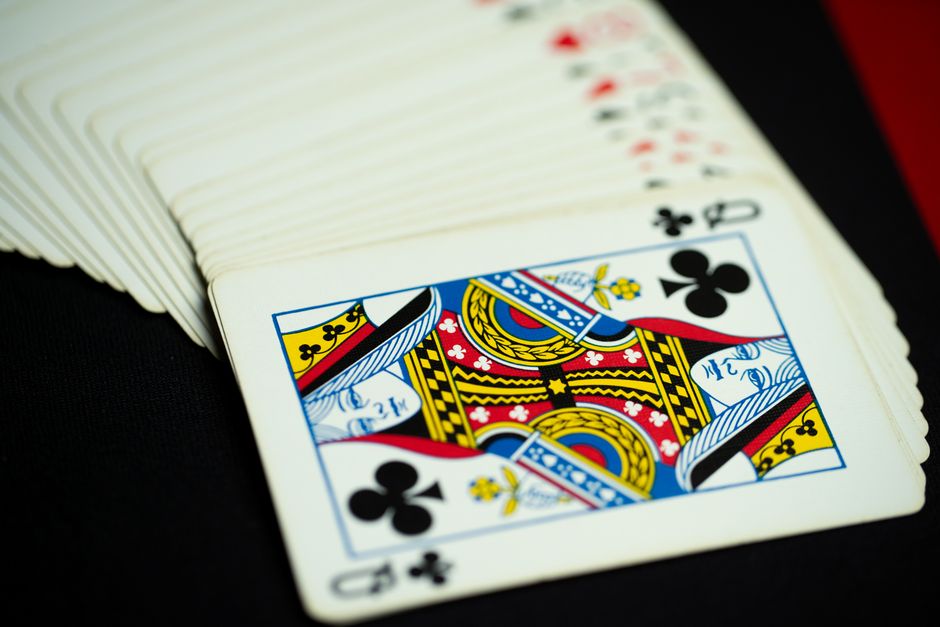
You’ve seen the ads: a guy in a tuxedo wins a million on a single spin, or a sports bettor turns £10 into a house deposit. The iGaming industry is loud, flashy, and relentless. But behind the marketing gloss lies a complex ecosystem of math, psychology, and regulation. Whether you’re a casual slots spinner or a poker grinder, understanding how the sausage gets made changes everything.
This isn’t about hype. It’s about the nuts and bolts of casino games, sports betting, and poker in 2025. Let’s cut through the noise. Before making a choice, it helps to review OK68.
Casino Games: House Edge Is Not a Suggestion
Every casino game has a built-in advantage for the house. That’s not a bug; it’s the business model. But the size of that edge varies wildly. Blackjack played with basic strategy? House edge around 0.5%. American roulette? A brutal 5.26%. The difference matters over hundreds of hands.
Here’s the thing: many players chase low-edge games thinking they can outsmart the math. You can’t. Not in the long run. What you can do is choose games with better odds, manage your bankroll, and treat it as entertainment—not an investment.
Take blackjack. Learning basic strategy (when to hit, stand, double, split) takes an afternoon. It won’t guarantee wins, but it slashes the house edge to nearly nothing. Compare that to Wheel of Fortune slots with an RTP of 88%. Over time, that gap is massive.
Also, watch for rule variations. A 6:5 payout on blackjack (instead of 3:2) increases the house edge by about 1.4%. That’s huge. Always check the paytable before sitting down.
Slots: Volatility, RTP, and the Myth of ‘Due’
Slots are the most popular iGaming vertical, and also the most misunderstood. Two numbers rule everything: RTP (return to player) and volatility (variance).
- RTP is the theoretical percentage of all wagered money that a slot returns to players over millions of spins. A 96% RTP means the casino keeps 4% on average. But that’s an average—your session could be wildly different.
- Volatility describes how often and how much a slot pays. Low volatility: frequent small wins. High volatility: rare but potentially huge wins. High volatility slots (like Book of Dead or Money Train) can eat your balance before a single bonus triggers.
Players often fall for the gambler’s fallacy: “This machine hasn’t paid out in ages, it’s due.” Wrong. Modern slots use random number generators (RNGs). Every spin is independent. The machine doesn’t remember you.
Another trap: bonus buys. Many slots let you pay 100x your bet to instantly trigger free spins. Is it worth it? Mathematically, the RTP of a bonus buy is usually the same or slightly lower than the base game. It’s a shortcut, not an edge.
My advice: decide your session budget before you spin. Pick slots with RTP above 96% (check the game info screen). And never chase losses—that’s how a £50 night becomes a £500 regret.
Sports Betting: Where Information Beats Luck
Betting on sports feels more skill-based than slots. And to some degree, it is. If you know football tactics or NBA rotations, you can find value. But the bookmaker’s margin (the vig) is always lurking.
Let’s say Manchester City is playing Brighton. The true odds might be 1.50 for City, 4.50 for Brighton, 3.80 for a draw. The bookmaker offers 1.45, 4.20, and 3.60. That overround—the gap between fair odds and offered odds—is their profit. Sharp bettors hunt for low-margin markets (like Asian handicaps or exchange betting) where the vig is under 2%.
In 2025, data is king. Expected goals (xG), player tracking, and even weather models are public. The edge comes from interpreting that data faster or better than the market. But unless you’re treating betting like a part-time job, you’re probably the fish.
Promotions and free bets can be profitable if you know how to matched bet. That’s a separate skill—and one that bookmakers actively limit. If you’re just betting for fun, set a monthly loss limit and stick to it.
Poker: The Only Game Where You Play the Player
Poker is the great exception in iGaming. You’re not playing against the house; you’re playing against other people. The casino takes a rake (a small cut of each pot), but your win rate depends on skill, psychology, and table selection.
Online poker in 2025 is tougher than ever. Solvers and AI training tools have raised the floor. If you’re playing micro-stakes, you’ll face opponents who know GTO (game theory optimal) basics. But that doesn’t mean you can’t win.
Here’s a concrete tip: focus on player tendencies, not just your cards. At low stakes, most players are too loose preflop and too passive postflop. Punish them by value betting thin and bluffing less. At higher stakes, balance matters more.
Bankroll management is non-negotiable. A common rule: have at least 20 buy-ins for cash games and 50 buy-ins for tournaments. If you’re playing $1/$2 no-limit, that’s $4,000 dedicated to poker. Without that buffer, one bad session wipes you out.
Also, track your hands. Tools like PokerTracker or Hold’em Manager show you leaks you didn’t know you had. Maybe you’re losing money from the small blind. Maybe you’re c-betting too much on wet boards. Data doesn’t lie.
Responsible Gambling: The Line Between Fun and Problem
iGaming is designed to be immersive. Lights, sounds, near-misses—all of it triggers dopamine. That’s fine if you’re in control. It’s dangerous if you’re not.
Warning signs: lying about your play, chasing losses, betting more than you can afford, feeling anxious when not playing. If any of that sounds familiar, take a break. Use deposit limits, self-exclusion tools, or reach out to a support service like GamCare or Gamblers Anonymous.
The industry won’t police you. That’s on you. Set rules before you log in: time limits, loss limits, and a hard stop when you hit them. Treat gambling as a cost, not a source of income.
Final Thoughts: Play Smart, Not Hard
Casino, betting, slots, and poker all offer different thrills. The common thread? None of them are get-rich-quick schemes. The house always has an edge in casino games and betting. In poker, the edge is yours—if you put in the work.
My honest take: enjoy iGaming for what it is. A night of slots with friends, a small bet on your team, a low-stakes poker game. The moment you start expecting to win, you’ve already lost. Play with money you can afford to lose, learn the math, and walk away when it stops being fun. That’s the only strategy that actually works.
LEAVE A COMMENT